

The evolution of gambling tracing the journey through time
The Ancient Origins of Gambling
The roots of gambling can be traced back to ancient civilizations, where games of chance were integral to cultural practices. Archaeological findings suggest that dice, made from materials like bone and ivory, were used in ancient China as early as 3000 BCE. These early games not only provided entertainment but also served as tools for divination and decision-making. In fact, many historical practices set the stage for contemporary platforms like spin-bara.casino, showcasing how far the industry has come.

In ancient Rome and Greece, gambling flourished with the introduction of betting on gladiatorial contests and chariot races. The Romans even developed various games that involved wagering, reflecting a society that embraced the thrills of chance. This period laid the groundwork for gambling as a social activity, intertwining it with the fabric of everyday life.
The Medieval Transformation
As societies evolved, so did gambling practices. During the Middle Ages, the Catholic Church’s influence led to a decline in gambling’s popularity, as it was often associated with moral corruption. However, this period also saw the emergence of lotteries and early forms of card games, which began to gain traction across Europe.
The establishment of regulated gambling in the 16th century marked a significant turning point. Governments recognized the potential for revenue generation from lotteries, leading to the legalization of various forms of betting. This shift created a framework for modern gambling, allowing it to thrive within an organized structure.
The Rise of Modern Gambling
The 19th century heralded a new era in gambling with the establishment of casinos. Cities like Monte Carlo became synonymous with luxury and opulence, attracting the wealthy elite to indulge in games such as baccarat and roulette. This period also saw the introduction of the slot machine, revolutionizing the gambling experience by offering players a chance to win big with minimal effort.
The proliferation of gambling establishments during this era illustrated its growing acceptance. However, it also prompted societal debates about the implications of gambling on morality and public welfare, a conversation that continues today. As gambling became more mainstream, it began to evolve into a global phenomenon.
The Digital Revolution
The advent of the internet in the late 20th century transformed the gambling landscape dramatically. Online casinos emerged, providing unprecedented access to a wide array of games from the comfort of one’s home. This digital revolution not only made gambling more accessible but also introduced new formats, including live dealer games and mobile betting applications.
Online gambling platforms adopted advanced technologies to enhance user experiences, allowing for seamless transactions and interactive gameplay. The rise of online sports betting further diversified the gambling market, appealing to a broader audience. As regulations adapted to this new landscape, online gambling became a legitimate and lucrative sector in the global economy.
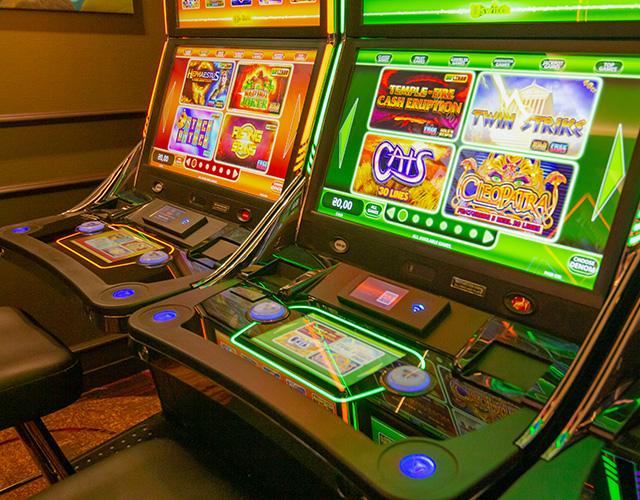
SpinBara Casino: A New Era of Online Gaming
At the forefront of the modern gambling experience is SpinBara Casino, launched in 2024 to cater to the evolving preferences of players. With over 6,000 exciting games, including slots and live dealer options, SpinBara is dedicated to providing a premier gaming environment. Its user-friendly interface and generous welcome bonuses set it apart as a leader in the online gaming industry.
SpinBara Casino is committed to ensuring a secure and enjoyable experience for all players. With 24/7 customer support and a variety of payment methods, it prioritizes customer satisfaction and trust. As gambling continues to evolve, SpinBara stands as a testament to the future of online gaming, blending tradition with innovation for an unforgettable experience.
Write a comment: